How to Properly Store Tarpaulin Sheet When Not in Use
Tarpaulins are versatile and durable materials, used for a variety of purposes such as covering outdoor equipment or providing temporary shelter. To extend their lifespan and maintain their effectiveness, proper storage is essential when they are not in use. This guide outlines key steps to store Tarpaulin sheets effectively, ensuring they remain in optimal condition.
Thoroughly Clean the Tarpaulin
Before storing your tarpaulin, it is crucial to clean it thoroughly. This helps prevent the growth of mold and mildew, which can gradually damage the material over time. Follow these steps for effective cleaning:
- Lay the tarp on a clean, flat surface.
- Use a soft brush, broom, or cleaning cloth to remove dirt, dust, and debris.
- Wash the tarpaulin using mild soap and water, with a gentle scrubbing pad if necessary.
- Rinse off all soap thoroughly to avoid residue.
- Allow the tarp to dry completely in sunlight or a well-ventilated area.
Inspect for Damage
Once the tarp is clean and dry, inspect it for any wear and tear, such as small holes, rips, or weakened spots. Address these issues before storage to prevent further damage. Minor repairs can easily be done using tarpaulin repair tape or patches, which are readily available at most hardware stores.
Fold or Roll the Tarpaulin
Properly folding or rolling the tarpaulin is important for maximizing storage space and protecting the material. The choice between folding and rolling depends on the tarp’s size and your available storage space:
Folding Method
- Spread the tarpaulin flat on a surface.
- Fold it in half, then fold it again until it becomes compact and manageable in size.
- Smooth out wrinkles and air pockets during the folding process.

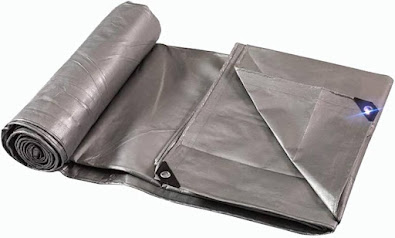
Rolling Method
- Lay the Canvas Tarpaulin flat on the ground.
- Begin rolling it tightly from one end, ensuring air pockets are pushed out.
- Secure the rolled tarp with bungee cords or rope to hold it in place.
Select an Appropriate Storage Location
Where you store your tarpaulin plays a significant role in preserving its quality. Keep these factors in mind when selecting a storage location:
- Avoid damp environments to prevent moisture damage.
- Keep the tarp safe from extreme temperatures that may weaken its fabric.
- Protect it from direct sunlight, as UV rays can cause the material to deteriorate. If UV exposure is unavoidable, consider storing it in a container made with UV-blocking additives.
- Store the tarp off the ground to avoid moisture buildup.
Ideal storage locations include a garage, shed, or designated storage unit. If outdoor storage is your only option, use a weatherproof container or protective cover to shield the tarp from the elements.
Utilize Proper Storage Containers
Using appropriate storage containers can offer added protection:
- A breathable bag allows air circulation while keeping dust and debris out.
- An airtight plastic bin provides robust moisture and pest resistance.
- For rolled tarps, a storage tube is an excellent option as it preserves shape and prevents creases.
Conclusion
Protecting your Waterproof Tarpaulin from environmental damage is key to extending its longevity and utility. By thoroughly cleaning it, inspecting for damage, folding or rolling it appropriately, choosing a suitable storage location, and utilizing the right containers, you ensure the tarp remains in tip-top condition. Properly stored tarpaulins are not only cost-effective in the long run but also enhance outdoor experiences by remaining ready for use when needed.


Comments
Post a Comment