Large Tarpaulin Solutions for Commercial Storage and Logistics
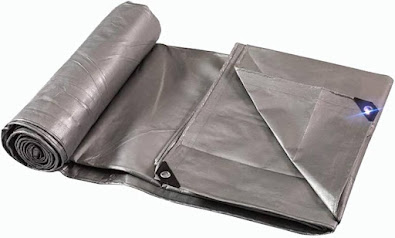
Large corporations frequently require secure locations to keep goods and transport them around. These goods need to be kept dry, clean, and protected throughout the transfer process. Large tarps provide the perfect solution in these situations. A Tarpaulin, or tarp, is simply a heavy piece of sheet plastic, canvas, or PVC that is weather-resistant and very lightweight to handle and maneuver. Tarps are very simplistic in nature, yet can be applied in a variety of ways to improve inventory and supply chain logistics processes.
Reasons for Lack of Damage Protection
Goods can be damaged by sun exposure, rain, dust, and wind. Wet boxes become damaged depending on the severity, and all machines develop rust. All of these damages to goods can mean expenses of time and money. Large tarps aid in wet weather by covering and protecting goods and materials from harsh weather conditions. It acts as a shield, keeping products protected until needed.
Tarpaulins in Storage Areas
Due to limited indoor storage space, many manufacturing and warehousing operations store their goods outside. Tarpaulins are effective in these circumstances to cover items such as wood, metal components, equipment, or growing produce. Workers also securely tie the tarpaulin down to prevent it from blowing away. This action keeps the items beneath the tarp dry from rain, dust, and other debris.
Some companies also use tarpaulins to make temporary shelters. A tarp can be placed over a framed stand to create a product covering area. This is not as expensive as building a new shed for storage or shelter. These temporary shelters could also be moved to another needed site.
On Trucks and Transport
Often, cargo is shipped by truck, ship, and train to long-distance locations. Dust and weather can have damaging effects on the product while in transit. Long open trucks and trailers are often covered with large Heavy Duty Tarpaulin that can cover the entire load. The tarpaulin allows for the stabilization of products while covering them from rain and sun that might come into contact while in transit.
As an example, farmers can load locally produced items until their trucks are full, and once in the truck, many will drape tarps over their load to keep it stabilized while they proceed to local farmers' markets. Construction sites continue to use tarps during the transportation of sand, bags of cement, and bricks to project sites. The tarpaulin allows for the item to be contained and not lost by falling out or getting dirty.

Large and Heavy Item Storage
Some items are so large, they cannot be stored indoors. Such items include boats, large machines, vehicles, and building supplies or fixings. Large goods Heavy Duty Tarpaulin will often work well, as they can cover bulky shapes and are very sturdy. They also keep metal items from rusting and wood products from rotting.
In ports, large goods tarps keep covers on things such as shipping containers and cargo. In factories, they are great tools to keep spare parts clean and dry. They are even helpful in protecting equipment while being repaired or painted.
Seasonal and Emergency Use
Tarpaulins are valuable in multiple seasons. They keep water out of storage areas in the rainy season. They offer shade and protection, spreading heat and preventing your goods from cracking during the hottest days. During storms or floods, tarps can quickly be placed over the damaged part of roofs or walls until lasting solutions can be put in place.
In emergencies, tarps are useful for creating temporary camps for workers or protecting goods until help can arrive.
Easy to Use and Reuse
Tarpaulins have value because they are convenient to fold, carry, and store. They are lightweight but very strong. If workers get a small tear, they can make small repairs with a patch. When cared for properly, a single tarp can last for a long time.
Large tarps can usually be reused for various occasions and purposes. They may cover goods in a warehouse today, and then may tea today to cover a truck load of goods tomorrow.
Conclusion
Large tarps are simple, but very important in commercial storage and logistics. They protect goods from the weather, help facilitate transport, and provide temporary shelter. They are durable, reusable, and easy to deploy and use by workers. Tarpaulins protect goods from damage or delay. In logistics and transportation, the goods are always on the move, and tarpaulins provide the simplest and cost-effective weather protection.


Comments
Post a Comment