Storing Your Tarpaulin Sheet for Longevity
Waterproof tarpaulins are versatile and practical tools used for protecting items like vehicles, furniture, crops, and for creating temporary shelters. Being exposed to outdoor elements such as sunlight, rain, and dirt, they require proper care and storage to ensure their longevity. How you store your Tarpaulin contributes significantly to its durability and usability over time. By paying attention to certain precautions, you can safeguard your tarp against damage, mold, and cracking, ensuring it serves you well for years to come. Below are the best practices for storing your waterproof tarpaulin effectively.
The Importance of Correct Storage
Many people simply fold up their tarpaulin after use without much thought. However, storing it incorrectly such as while wet or dirty or in unfavorable conditions can lead to issues like mold, mildew, or weakening of the fabric. Improper storage location, such as exposure to direct sunlight or sharp objects, can also result in holes or cracks. By dedicating some time to proper storage methods, you are not only protecting your investment but also saving yourself from the unnecessary expense of replacing it prematurely. Quality tarpaulins are costly, but they can last longer if stored with care.
Cleaning Before You Store
The first crucial step in storing your tarpaulin is cleaning it thoroughly. Never store your tarp when it is wet or dirty. Begin by shaking off loose debris dust, leaves, or mud that can be easily removed. For more stubborn dirt or mud, rinse the tarp with clean water using a garden hose, if possible. Stains that won’t fade can be treated with mild soap and water applied using a sponge or damp cloth. Avoid using harsh chemicals, as they can deteriorate the waterproof coating of the fabric. After washing, ensure you rinse off all the soap completely. Cleaning guarantees the material stays fresh and safe for its next use.
Drying Your Tarpaulin Properly
Once clean, drying your tarpaulin is just as critical as washing it. Even slight dampness can lead to mold and mildew growth, leaving behind unpleasant smells and stains. Lay the tarp flat under direct sunlight or hang it on a clothesline outdoors so both sides can dry completely. If outdoor drying isn't an option due to bad weather, opt for a dry, well-ventilated indoor space instead. Be patient while drying it’s essential that even small wet spots are avoided before folding it up for storage.

Folding the Tarpaulin
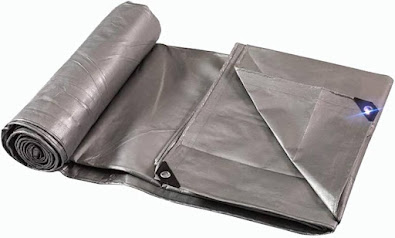
After cleaning and drying your Heavy Duty Tarpaulin, fold it neatly to preserve the material’s integrity. Begin by laying it flat and folding it in half repeatedly until it becomes compact yet manageable in size. Avoid balling it up tightly, as this can damage the waterproof coating over time, potentially causing cracks. A tidy fold also makes retrieval and reuse much easier when needed later.
Selecting the Optimal Storage Location
Where you store your tarpaulin significantly affects its longevity. Choose locations that are cool, dry, and free from direct sunlight. Ideal spots include garages, sheds, or closets away from moisture or heat sources like heaters or stoves as heat can weaken the fabric. Avoid placing heavy objects on top of your tarp, as they can create permanent creases or compromise the fabric’s strength. For multiple tarps, organize and stack them carefully beside each other or on flat shelves to prevent pressure marks or damage.
Preventing Pest infestation and Damage
Pests like mice and insects can pose a threat to your stored tarpaulin by chewing through the material. To prevent this, use sealed plastic containers with lids or sturdy storage bags to protect your tarp from pests, dust, and moisture. Proper containment ensures your tarp remains in top condition and ready for its next usage without surprises.
Inspection Before Its Next Use
Before putting your tarpaulin back to use, always conduct a quick inspection by laying it flat and checking for tears, holes, or worn areas. If any damage is found, repair it immediately with waterproof tape or a patch kit to prevent minor issues from worsening over time. Incorporating these checks into your routine helps maintain your tarp's durability and functionality while extending its lifespan.
Conclusion
Taking proper care when cleaning, drying, folding, and storing your Waterproof Tarpaulin guarantees its readiness for future use while maintaining its strength and quality. These simple yet effective steps prevent common problems like mold growth, pest infestation, or cracking prolonging its life span and preserving your investment. Maintaining your tarp takes minimal effort but results in substantial savings on replacements and repairs. By following this routine consistently, your tarpaulin will continue serving you reliably season after season.


Comments
Post a Comment