What Is a Waterproof Tarpaulin Cover and How Does It Work?
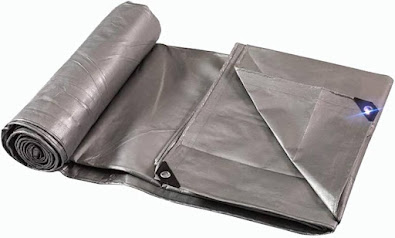
A waterproof tarpaulin, often referred to as a tarp, is a versatile and resilient sheet designed to shield objects and materials from moisture, dust, wind, and harmful UV rays. Typically made from materials such as polyethylene, vinyl, or treated canvas, these tarpaulins are constructed using polyethylene and polyester fabrics that undergo special coatings or treatments to ensure they are waterproof. While traditional Tarpaulin Sheets are crafted from heavy-duty canvas, waterproof versions focus primarily on repelling moisture while providing a durable cover that can endure harsh outdoor conditions.
Waterproof tarpaulins serve numerous purposes in various scenarios, such as construction sites, camping trips, agricultural activities, transport, and household needs. Whether securing a truckload, safeguarding farm crops, or creating temporary shelters, tarps often prove to be reliable and effective solutions due to their ease of use and durability.
Materials Used in Waterproof Tarpaulins
The efficiency of a waterproof tarpaulin largely hinges on the materials used in its construction. Polyethylene tarps are the most common type due to their lightweight design, affordability, and thorough waterproofing capabilities. Vinyl tarps are heavier but provide superior durability, making them ideal for industrial use or situations involving regular exposure to severe weather conditions. Canvas tarps are sturdy as well but require additional waterproof coatings to match the effectiveness of synthetic materials.
Waterproofing is achieved through coatings or laminated layers that prevent water penetration. Some tarps also feature heat-sealed seams wherein fabric joints are fused without stitching. This seam-sealing technique ensures there are no holes through which water could leak.
How Waterproof Tarpaulins Work
The functionality of a waterproof tarpaulin is rooted in its design and material composition. Its tightly woven fabric and protective outer coatings create an impermeable barrier against water infiltration. The outer layer acts as a shield to repel water, while inner layers contribute to the tarp's structural integrity.
Polyethylene-coated tarps utilize plastic-like layers that prevent any moisture from passing through. Vinyl-coated tarps use PVC for added thickness and a smooth surface that allows water to slide off effortlessly. In the case of treated canvas tarps, fibers are coated with wax, oils, or chemicals that swell upon contact with water, sealing any potential gaps.
To maximize a tarp's effectiveness, proper securing plays a crucial role. The use of grommets reinforced holes for tying down the tarp ensures it remains firmly in place, preventing water from pooling or wind from lifting it. A snug fit encourages water to flow off the surface instead of accumulating in one area.

Benefits of Using Waterproof Tarpaulins
Waterproof Glass Clear Tarpaulin sheets offer significant advantages across different applications. For outdoor storage or projects, their ability to provide all-weather protection is invaluable. Beyond shielding items from rain and snow, they also protect against UV radiation, which can fade colors and degrade materials over time. In transportation, they safeguard goods by preventing exposure to precipitation and road spray.
In agriculture, tarpaulins are indispensable for protecting crops, hay, and equipment from rain-induced damage like mold and rust. Campers rely on tarps for creating instant shelters or ground cover to stay dry during their adventures. Even at home, tarpaulins prove practical for covering furniture during renovations or painting tasks.
Maintenance and Care
Proper care significantly extends the lifespan of waterproof tarpaulins. After use, cleaning with mild soap and water helps remove dirt, mud, or debris while avoiding excessive scrubbing that could damage the protective coating. Ensuring the tarp is completely dry before storage prevents mold or mildew growth. When storing, fold it neatly and keep it in a cool, dry place to preserve its shape and flexibility.
Regular inspections for tears or holes are essential. Small damages can often be repaired using patch kits or waterproof tape to restore functionality. Conducting routine checks ensures your tarp remains in optimal condition when you need it most.
Selecting the Ideal Waterproof Tarpaulin
Not all tarpaulins offer waterproof properties. For occasional use during light rain such as covering furniture or situations where durability isn’t a primary concern, opting for a lightweight polyethylene tarp is a practical choice. On the other hand, if your project involves heavy-duty or long-term needs, vinyl tarps offer superior strength and resistance to tears. Choosing the right size is equally important; it should not only fully cover the item in question but also provide extra material for secure fastening. Color selection also plays a role, as darker tarps are often perceived to absorb heat and perform better in winter, while lighter-colored tarps reflect sunlight, making them more suitable for cooling items during summer.
Conclusion
A Waterproof Tarpaulin is much more than a simple sheet of fabric. It serves as a reliable shield against water damage for your belongings and workspaces. By understanding its functionality, material care, and attributes, you can choose the perfect tarp for your specific needs while ensuring its longevity. Whether you’re a homeowner, contractor, farmer, or outdoor enthusiast, investing in a quality waterproof tarp enables you to tackle challenges effectively, especially during adverse weather conditions.


Comments
Post a Comment