How to Customize a Tarpaulin Sheet for Specific Needs
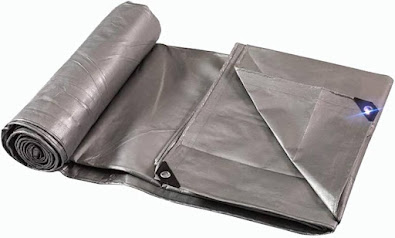
A tarpaulin, commonly referred to as a tarp, is a robust sheet designed to shield against natural elements such as water, sunlight, and wind. Its versatility makes it highly useful for activities like camping, farm work, covering construction sites, or home use. While Tarpaulins are often available in standard sizes and styles, there are times when customizing them is necessary to suit specific requirements. Tailoring a tarp to your needs not only enhances its functionality but also extends its lifespan while ensuring optimal protection.
Selecting the Right Material
Before making any adjustments to your tarp, it is essential to evaluate the type of material it’s made from. Tarps can range from lightweight plastic sheeting to sturdy canvas or PVC. If your needs are minor, such as shielding furniture from dust, a lighter plastic tarp may suffice. However, for more demanding applications like outdoor shelters or agricultural use, a thicker, heavy-duty tarp is recommended. Choosing the appropriate material ensures that your modifications are effective and durable.
Adjusting the Size
Tarps might not always align perfectly with the task at hand; they could be too large or too small. Fortunately, they can be easily resized. Use sharp scissors or a utility knife for clean and precise cuts. Once cut, securing the edges is critical to prevent fraying or tearing. This can be accomplished by folding over and sewing the edges, applying specialized tarp tape, or heat-sealing them. Properly sealed edges will ensure the tarp remains intact during use.
Adding Extra Grommets
Many tarps come equipped with metal or plastic grommets along their edges to facilitate tying or securing them with ropes and bungee cords. If there are insufficient grommets for your purpose, or you cut away some during resizing, consider adding more using a grommet kit. Additional grommets help distribute tension more evenly, which reduces the risk of the tarp tearing under stress from wind or weight.
Reinforcing Vulnerable Areas
The corners and edges of a tarp tend to endure the most wear and tear over time. Reinforcing these sections can significantly increase the tarp’s durability. You can do this by layering materials such as fabric or heavy-duty tape over susceptible areas. Some users prefer sewing patches onto high-risk spots for added strength. Reinforcements ensure the tarp withstands rugged conditions more effectively.

Incorporating Openings and Windows
In certain scenarios, modifying your Canvas Tarpaulin with openings may improve its functionality. For example, if you plan to use the tarp as an awning or tent, you might want to include windows for ventilation or light, as well as flaps for door openings. Windows can be created by cutting out sections of the tarp and attaching mesh or clear plastic. Doors or other openings can be added with zippers or Velcro strips. These features make the tarp more adaptable for living spaces and improve overall comfort.
Restoring Waterproofing
Any cutting, sewing, or alteration can compromise a tarp’s waterproof properties. To maintain water resistance, ensure that all seams and edges are thoroughly sealed. Fabric tarps can benefit from waterproof sprays or sealants specifically designed for such materials. For plastic tarps, heat-sealed edges or waterproof tape are effective solutions. Taking these steps ensures the tarp’s protection against rain remains intact.
Custom Printing and Labeling
For personal branding or organizational purposes, custom printing can enhance your tarp’s appeal and functionality. Printing company logos, names, or unique designs creates an identifiable and professional look. Waterproof paint or markers can also be used for labeling tarps employed in varying tasks, a useful practice for distinguishing between multiple covers.
Safety Measures and Final Inspection
After completing your customizations, it’s crucial to test the tarp before putting it into regular use. Secure it in place, check the edges for proper sealing, confirm the stability of added grommets or reinforcements, and ensure any openings function without compromising protection. A quick trial run can help you identify issues and prevent potential problems later on.
Conclusion
Tailoring a tarp to meet your exact needs is both practical and rewarding. Through careful selection of materials, precise sizing, strategic placement of grommets, reinforcement of weak points, and attention to waterproofing, you can create a highly functional and long-lasting tarp. Additional features like doors, windows, or decorative elements make it even more versatile and personalized. With just a few tools and some effort, you can transform an ordinary tarp into a reliable solution for almost any situation.


Comments
Post a Comment