Reducing Waste with Long-Lasting, Sustainable Tarpaulin Covers
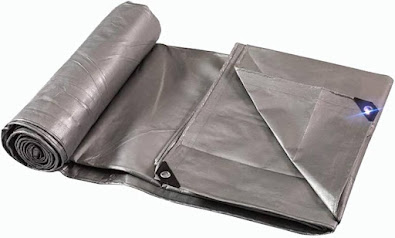
Tarpaulin covers are widely utilized in the world. They shield materials, tools, produce, and outdoors against rain, wind, and the sun. Traditionally, many tarpaulins were made of poor-quality plastic. Tarps ripped quickly and mostly ended up in landfills. Many things are changing today. Long-lasting Tarpaulin covers are in demand. These help limit waste and help protect the environment while offering strong coverage.
Choosing sustainable tarpaulins is a wise decision. They are long-lasting, reusable, and easier to recycle, unlike plastics. This minimizes the quantity of plastic and rubbish we make. Individuals and organizations are now opting for these options to save money while remaining eco-friendly and good for the planet.
What is a Sustainable Tarpaulin?
Eco-friendly and durable materials make sustainable tarpaulins. Many are produced from recycled polyethylene or improved PVC. These materials are resistant, flexible, and recyclable after use. Some tarpaulins even use plant-based coatings or other chemical treatments that are less harmful.
More durable than normal tarpaulins, these covers come equipped with a tear-proof feature. They are not torn by the sun, rain, and wind. Due to their strength, they have to be changed less often. Less plastic waste means fewer products will go to the landfill.
How Long-Lasting Tarpaulins Reduce Waste
One of the greatest advantages of using quality tarpaulin covers is that they last a long time. Inexpensive tarps rip or are destroyed quickly. They are discarded after a short time, creating more waste. A lasting tarpaulin can be used for many years with proper care.
Tarp durability saves you money. Although the initial cost may be high, they are durable and need replacement less often. As a result, it leads to less waste and cost over time. Strong, durable tarpaulins reduce waste to landfill when you choose the right tarps, not flimsy ones.
Relaunch Your Reuse
Eco-friendly tarpaulins can be reused easily. Once completed with one job, the tarpaulin can be cleaned and stored for another. A tarp used at a construction site can later be used to cover outdoor furniture or garden equipment. A farm tarp can be repurposed to protect hay, grain, and equipment.
Using a tarp can reduce the need to produce a new tarp every time. You can easily reuse things to reduce waste. It further increases the lifespan of the medium while reducing its environmental footprint.

Recycling Helps the Planet
Even the top-quality tarpaulins have their lifespan. Sustainable tarpaulins are designed to be recyclable, which is great news. Used Clear Tarpaulins are accepted by many manufacturers for new products. It includes fresh tarps, bags, or industry items.
By recycling, you can prevent plastic from ending up in landfills and oceans. It also lessens the demand for creating new plastics from raw materials, which consumes energy and resources. By choosing recyclable tarpaulins, we are encouraging a circular economy in which materials are reused.
Powerful Shielding Without Damage
Protection is not compromised with sustainable tarpaulins. They withstand rain, sun, dust, and wind. Many sunglasses have UV-blocking or fire-resistant treatments. They can be used for construction, agriculture, transport, and even at home.
Tough and green tarpaulins provide something that is more than plastic tarps. What happens after use sets them apart. They are not meant to cause waste. This proves that sustainability can actually coexist with quality.
Helping the Earth
Green tarpaulins are often eco-friendly and manufactured. Energy-efficient process factories reuse remaining material and use cleaner technology. This makes pollution in production lower. Buying these products helps pretty good companies that care.
Producers also impact producers. More consumer choices towards durable and sustainable tarpaulins motivate firms to invest more in green innovations. The above text creates a cycle where products become better and waste less.
Wide Range of Applications
Sustainable tarpaulins offer versatility. Used for site protection, the construction hoardings stop tool theft. Farmers cover hay, crops, or machinery. Transport firms use them for the dry delivery of goods. People use them to store their garden furniture, vehicle, or for a renovation.
These are used for anything as they are durable and eco-friendly. Sustainable tarpaulins for your daily work can be an easy choice for your eco-friendly goals.
Tiny Alteration, Incredible Impact
Selecting a durable, eco-friendly tarp may seem minor. However, tiny gestures can accumulate. Each tarp that is reusable or recyclable reduces plastic waste. Each tarp that is used for years, instead of months, keeps more products from waste.
In the long run, these small choices create great changes. They protect the environment, reduce landfill waste, and foster green habits. Those people and businesses who opt for eco-friendly tarps help the environment.
Conclusion
Sustainability with durable tarpaulin coverings is a smart choice for the future. They give solid protection while cutting down on waste and helping the earth. These tarps are environmentally friendly and high-quality because they can be reused, durable, and recyclable.
Switching to sustainable tarpaulins can save money, cut down on plastic waste, and support eco-friendly manufacturing. These tarps are practical and responsible solutions whether you need them for business, farming, or home. Safeguard the materials and the environment at the same time. The selection of long-lasting, sustainable tarpaulin covers enables a cleaner, greener future.


Comments
Post a Comment