Waterproof Tarpaulin vs. Canvas Tarpaulin: Which One Should You Choose?
When it comes to sheltering your goods from rain, sunlight, and outside exposure, a tarpaulin is perhaps the most trustworthy and cost-effective option out there. Whether you require a car cover, camping shelter, or protective covering for building supplies, tarpaulins are a popular choice. But with all the varieties around, many ask: Do I go for a waterproof tarpaulin or a Canvas Tarpaulin?
In this article, we will examine the main differences between these two best-seller options, their advantages and disadvantages, and guide you through finding the right type of tarpaulin sheet that is ideal for your needs.
Learning the Fundamentals: What Is a Tarpaulin?
A tarpaulin or tarp is a big, soft sheet of material used to give protection from the weather conditions such as rain, wind, and dust. Tarpaulins are often used for covering outdoors, construction purposes, transportation, and even as DIY projects.
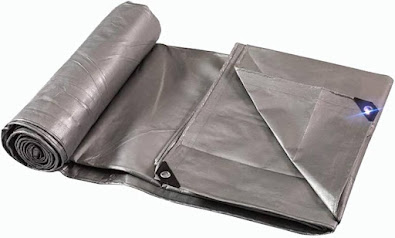
A "waterproof tarpaulin" is generally a synthetic tarp composed of polyethylene (PE) or polyvinyl chloride (PVC). They are totally waterproof and light in weight.
A canvas tarpaulin, however, is constructed of woven cotton or cotton-polyester. It is waxed, oiled, or coated with other substances to render it water-resistant but not 100% waterproof. Being made of natural fabric, there is breathability, and it is, therefore, suited for long-term covering where air circulation is vital.
Key Differences Between Waterproof Tarpaulin and Canvas Tarpaulin
While both use the same general purpose to keep things dry from the elements — they are very different. Let's examine them:
1. Material and Construction
Waterproof Tarpaulin: Constructed of PE or PVC plastic, with a laminated or woven build that is fully waterproof.
Canvas Tarpaulin: Constructed of natural cotton or a cotton-poly mix, usually with a wax or oil treatment to repel water.
2. Water Protection
Waterproof Tarpaulin: Totally waterproof and ideal for heavy rain conditions.
Canvas Tarpaulin: Water-resistant but not waterproof. It may eventually allow water to penetrate when exposed to heavy rain over a long period.
3. Breathability
Waterproof Tarpaulin: Not breathable, which means condensation trapped under the cover can cause damage to delicate items.
Canvas Tarpaulin: Breathable, which means there is no buildup of moisture to cause mold or mildew.
4. Durability
Waterproof Tarpaulin: Light but prone to tearing under pressure, particularly in strong winds.
Canvas Tarpaulin: More heavy-duty and strong, ideal for long-term or industrial applications.
5. Cost
Waterproof Tarpaulin: Most likely cheaper and more accessible.
Canvas Tarpaulin: Slightly pricier due to its durability and natural fibers.

Benefits of Waterproof Tarpaulins
Waterproof Tarpaulins are extremely versatile and well suited for rapid, short-term covering. Some advantages are:
- Total Water Protection: Ideal for covering objects during storms or rain.
- Lightweight and Portable: Simple to transport, fold, and carry.
- Cost-Effective: Affordable solution for homeowners and businesses.
- Variety of Sizes: Comes in numerous dimensions and colors to fit various applications.
In case you must quickly cover a leaking roof, cover construction materials from an unexpected rainstorm, or keep a car dry during the rainy season, a waterproof tarpaulin sheet is just the product you need.
Advantages of Canvas Tarpaulins
A canvas tarpaulin provides a heavier-duty, longer-term option for those requiring durability and breathability. Its benefits are:
- Breathability: Stops condensation, perfect for encasing vehicles, furniture, or equipment for extended times.
- Strength: Least likely to tear or rip, even under challenging conditions.
- Eco-Friendliness: Constructed from natural materials, which makes it more environmentally friendly.
- Improved UV Resistance: Canvas usually withstands sunlight better than plastic tarps.
If you are a farmer covering hay bales, a company storing equipment outside, or a camper requiring a durable shelter, a canvas tarpaulin sheet will be the better choice.
When to Use Waterproof Tarpaulin
Use a waterproof tarpaulin when:
- You require full water protection against heavy rainfall.
- You need a temporary enclosure for building, vehicles, or garden furniture.
- You are seeking a cheap and lightweight solution that is easy to relocate.
- You don’t need long-term coverage and can replace the tarp as needed.
When to Choose Canvas Tarpaulin
Choose a canvas tarpaulin if:
- You are covering items for long-term storage and want to avoid moisture buildup.
- You need a heavy-duty, durable solution that can withstand tough environments.
- You prefer an eco-friendly and reusable option that will last for years.
- You need breathability to protect delicate materials like wood, leather, or machinery.
Tips on Selecting the Proper Tarpaulin Sheet
Whether you pick a canvas, PVC, or polyester tarp, remember these considerations:
- Size: Determine the area to be covered and purchase a slightly larger tarpaulin sheet to ensure complete coverage.
- GSM (Thickness): The higher the GSM, the thicker and more durable the tarp. Select according to the degree of protection needed.
- Reinforcements: Rust-free grommets and double-stitched seams add extra strength.
- Color: The UV resistance is superior in darker colors, and light-colored options cause covered areas to remain cooler.
Final Thoughts
Waterproof tarpaulins and canvas tarpaulins are both great protection tools, and the decision will be yours based on how and where you intend to use them.
If you require a lightweight, quick, and completely waterproof answer, then a waterproof tarpaulin sheet is the way to go. However, if you require a long-term, heavy-duty, yet breathable and natural solution, then a canvas tarpaulin is the one to spend money on.
Knowing how these two types of tarpaulins differ, you will be able to make a well-informed choice and maximize your return on investment.


Comments
Post a Comment