Proper Ways to Fold and Store a Tarpaulin
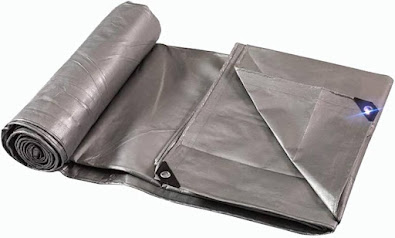
When working outdoors or at home for repairs, tarps play a significant role. Being conversant with the handling of tarps, including their right folding and storage, is inevitable to preserving the longevity and maintaining the quality of the tarpaulin. This article is a master guide to the exact ways of folding and tarp storage.
Importance of Proper Tarp Care
Before focusing on the folding and storage of the tarp, one should have a clear understanding of why the proper tarp care is so important. Tarps that are well-maintained last longer, remain more effective, and are ready for use when needed. Poor tarp storage can lead to mould, material degradation, and grommet or seam damages.
Cleaning the Tarp
Starting off, the proper care of tarps is cleaning. Before folding and storing, one should ensure the tarp is clean and dry. This can be done by:
- Spreading the tarp on a clean, flat surface
- Sweeping off any loose debris
- Washing with mild soap and water if necessary
- Rinsing thoroughly
- Making it sun-dry
Folding Techniques
By the way, the folding of a tarp is a function of its size and its purpose. Here are two common methods:
1. The Rectangle Fold
This method suits most tarps, and it is quite easy to master:
- Spread out the tarp flat on the ground
- Bend the first turn in warp lengthwise
- Wrinkle half of it again
- Fold it half continuously until the size desired is reached
- Then third fold the width
2. The Triangle Fold
This technique is quite useful, especially for larger tarps:
- Spread the tarp evenly.
- Take a corner and bring it into the exact center of the opposite side.
- Repeat the same process on the other corner to form a triangle.
- Wrinkle the triangle in half.
- Continue folding until the desired size is achieved.

Proper Storage Techniques
The heavy duty tarpaulin should be stored properly after it is folded. Here are some proper storage solutions for the tool:
1. Choose a Suitable Location
The tarp should be kept in cool, dry areas, away from direct sunlight. Moisture is not good as it can cause mold. Besides, it will attract pests if it is damp. So, it would be better to choose a dry place.
2. Use a Storage Container
Consider using a plastic bin or a canvas bag to shield the tarp from dust and pests. The storage box should be free of dirt and moisture before putting the tarp in such a box.
3. Avoid Compression
Put the tarp in a shed away from the sun and do not stack heavy objects on top of it as it will make it take the form of the object or get torn a bit and this will affect the material.
4. Label and Organize
When storing several tarps, name each one with its size and intended use. This action will help you to find the proper size when you need it.
Additional Tips for Tarp Maintenance
Try these other methods to make your tarp long-lasting:
- Routine examination to detect worn-out or damaged areas is very essential
- Sewing up small tears or holes in the tarp immediately prevents the further growing of those gaps.
- Avoid dragging the tarp on rough surfaces.
- Take note of the secure attachment of the tarp that is protecting it from wind damage if it is being used. Should there be need for more, you will find what to do; do not worry.
Conclusion
Folding and storage of tarps in the right way are skills that every person using these handy tools should be a master of. In this way, one can only be assured that their tarps remain in high condition and that they are ready whenever needed. As a well-maintained tarp, of course, it will have a longer life span, and it will guarantee functioning better to defend the wearer under different circumstances.


Comments
Post a Comment