How to Secure Tarpaulins at a Construction Site
This shows that tarpaulins are one of the most important assets that must be well-secured to cover construction sites with eye-pleasing standards. Apart from that, proper use of these tarpaulins also ensures that they do not fly off due to forceful winds and other situations that may arise. This will help prevent unnecessary damages and perhaps accidents on the road. In this blog, we will be discussing a few suggestions and methods for securing tarpaulins on construction sites.
1. Choose the Correct Tarpaulin Type
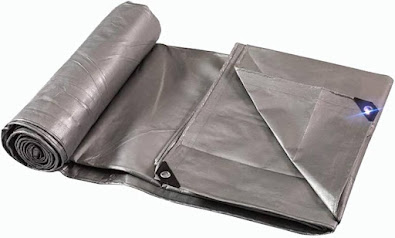
First and foremost, make sure that you use the right tarpaulin material, avoid using black laminated and laminated tarpaulin materials for making tarpaulins as it is hard to see if something is written over it rather it is laminated at the back. Several main types of tarps can be bought at an ordinary store or ordered online. For instance, polyethylene tarpaulins are light in weight, waterproof, and can be easily washed and hence used to cover equipment and other materials. Polyester coated in PVC material is also tearproof and has long-term durability for outside use because of its ability to withstand all forms of weather conditions.
2. Measure Your Tarp
One of the most crucial factors when it comes to tarping is to get the right size that will easily cover all the areas you want to tarp in such a way that there are no gaps left through which air and or water can penetrate. To measure your tarp, you should add about two feet to the exact length and width of the object that you want to cover. This allowance will give you the fabric you need to fasten the tarp to the ground and make the area impervious to water.
3. The Right Method for Anchoring
That’s the reason why there are several choices to anchor your tarp and it must be understood that the best choice depends on the conditions that you plan to use your tarp for and the objects you can or will have to cover with it. Here are some of the most common methods:
- Ground Stakes: Loosen the soil with a spade and with the aid of poles, stake it on each corner of the tarp in a similar way that you tie it with ropes or bungee cords. Further, anchorage can be achieved with more stakes at the sides of the frame.
- Overhead Anchor Points: For instance if you are fixing a tarp on a windy day or if you want to cover a big land use overhead anchor points. One of the best ways is to ensure that ropes or straps on the tarp are fastened on considerable points like trees and poles. Do not forget to utilize ratchets or turnbuckles in a bid to attain the standard measure of tension.
- Tension Straps: Tension straps are ideal for fastening tarps to cars, trucks, or other conveyances and equipment. Just pass the strap around the object and the tarp and fasten the buckle or clip on it.

4. Utilize ropes, ratchets and turnbuckles
When you are anchoring your Heavy Duty Tarpaulin it is recommended that you use good-quality rope, ratchets, and turnbuckles. This will assist you in getting the correct tension for your part so that it stays intact and will not move about in windy conditions. Select a rope that is durable and adequate against weather and wear and tear, one should also ensure it makes firm knots when threading the rope to the tarp and anchor points.
5. Create a Water-resistant Seal
It is necessary to provide a completely water-proof connection between the tarp and the ground as well as between the tarp and everything that it covers. In this way, one only has to fold the edges of a tarp over itself, fastening it using stakes or even ropes and cable ties. If the cracks or holes are small, they should be sealed with waterproof tape which is a bit thick.
6. Double-check Your Work
Call it a day only if you are sure that your tarp is securely placed at the construction site. All of your ropes, stakes, or whatever potential anchor points there might be, have to be properly tied down and a check made of all. In addition, no spaces, crevices, or vents must be left that allow entry of water, dirt, etc.
Conclusion
At construction sites, sealing tarps is an important aspect of cleaning and ensuring the safety of the working area. Following the right material, the right method, and the method of installation and sealing, you are able to protect your tools, materials, and work area from environmental factors. If you follow the above-discussed guidelines, you will soon learn how to secure those tarps when the winds are unruly.


Comments
Post a Comment