Tarpaulin Covers for Garden and Landscape Projects
Gardens and landscaping need care all year. The weather may affect your plants, soil, and garden tools. Bad weather, like heavy rain, strong winds, and even sun, can spoil your gardening work. Tarpaulin covers are therefore highly advantageous for scenery and gardening projects. They help safeguard your plants, soil, and equipment for easier and more efficient gardening.
Why Tarpaulin Covers Are Important
Garden projects often involve plants, soil, and tools that may be damaged by the weather. Seeds and seedlings are vulnerable and can be washed away by heavy rain. Hot sunshine can dry the soil too quickly; heavy showers can make the soil too muddy. Garden tools can rust due to wet conditions. With tarpaulin covers, everything is safe. It helps to keep tools and soil clean and healthy.
Tarpaulins can also keep animals away from garden work. Some animals can damage soil or plants. For instance, birds, cats, and a few more. Describing a newly sown toxo area through a tarp helps. Although landscape fabric can be used under stones or mulch, a tarp will help prevent spreading.
Protecting Plants and Soil
Covering plants and soil with Tarpaulin sheets. Water first hits the tarp when it rains, not the garden. Soil erosion won’t occur like this. Tarps can be used by gardeners to cover potted plants or raised beds. Even in bright sunlight, the tarp can cool down the soil and keep it from drying out.
Tarps are valuable for soil and mulch for landscaping projects. To prevent soil or mulch from spilling onto the path or road, it is loaded with a tarp when delivering to the site. Cleans the materials and makes them ready for use. Landscaping jobs proceed more smoothly with less waste.
Easy Use and Flexibility
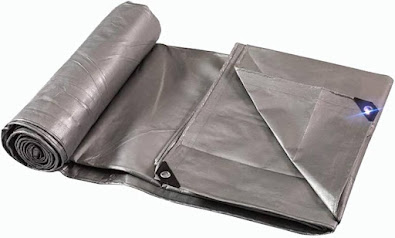
Tarpaulin Covers Are Flexible. You can find these in various sizes suitable for a large landscaping area or small garden beds. When not in use, tarps can be folded or rolled up for easy storage. Some tarps come with reinforced edges and grommets, permitting an efficient, secure tie-down. In windy conditions, it is very important.
Tarps may also cover irregular shapes. Tarps can easily adjust to the size of a pile of soil, stacks of stones, or a bunch of plants. Gardening experts can quickly relocate them to shield plants or materials whenever required.

Protection from Weather
The weather can be unpredictable, and gardens are subject to this. 10 words - Frost, sunlight, wind, and rain affect plants and soil. Tarpaulin covers protect vehicles from these elements. In heavy rain, Heavy Duty Tarpaulin can help protect soil and plants from rainwater washouts. These can also act like temporary roofing for your garden tools, compost heaps, or outdoor equipment.
Tarpaulins provide shade in hot weather. It keeps the soil and plants cool as well as moist. You can save your sensitive plants by covering them up with a tarp so that frost does not form on the leaves or stems. Using tarps in any weather will keep your garden projects on track.
Keeping Materials Clean and Organized
Garden and landscape projects often require many materials. When soil, mulch, stones, and sand are left uncovered, they can be messy. Tarpaulin covers can keep items clean and tidy. Using piles fitted is relatively easier than using ones that are bare. Workers do not spend time cleaning or moving around spilled soil or mulch.
Tarps make the work section safe, too. A loose ground material can cause a slip and fall. Covering them helps gardeners to reduce accidents. It becomes even more important for larger landscaping projects where lots of people are working at the same time.
Cost-Effective Solution
Use Tarpaulin covers for an affordable way to protect your plants, soil, and materials. They can be reused for a long duration. Investing in good-quality tarps helps to save money on damage and waste. Your equipment and tools are easily cleaned and maintained. It helps the economic development of landscaping and garden projects.
Tarps are timely to save time. Gardeners spend less time repairing damage caused by the rain or wind. They will not have to replace washed-away soil, mulch, or plants. By spending less time on cleanup and repair, you’re free to do other, more interesting things, like planting and designing the landscape.
Choosing the Right Tarpaulin
Not all tarps are created equal. Tarp material, which is tough and waterproof, must be chosen for garden and landscape jobs. Polyethylene or PVC tarpaulins are sturdy and safeguard against rain, wind, and sunlight. Heavy-duty construction helps ensure the tarp will not rip or tear easily.
Size is also essential. Make sure the tarp you pick is big enough to cover the materials or area. Smaller tarps suit potted plants or gardens; larger tarps are optimal for soil piles or landscaping material through a size spectrum. Some tarps even feature UV protection to prevent damage from the sun.
Conclusion
Garden and landscape projects require the use of tarpaulin covers. They shield plants, soil, and materials against weather, dust, and animals. Gardening work benefits from flexibility as well as resilience. If you use tarps, you can save time, reduce waste, and keep your plants healthy. The correct tarp length offers efficient guidelines and protects your gardening projects longer than you would expect. Utilizing tarpaulin covers to shield your garden is easier, and it can be useful in creating a beautiful landscape.


Comments
Post a Comment